
The Lekki Headmaster Questions, Answers and Explanations for 2026 UTME
Published: 13th April, 2026 | 0 Comments |
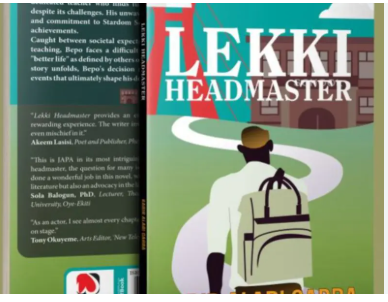
Success in the UTME isn’t just about studying hard; it’s about studying smart. This guide provides a comprehensive breakdown of the fundamental questions and themes found in the novel The Lekki Headmaster. Whether you are preparing for your exam or looking for a deeper understanding of the text, these 30 questions cover the essential plot points, character motivations, and societal reflections presented in the story.
Part 1: Leadership and Early Challenges
1. Why was the headmaster appointed to the school?



-
A. He was popular in the town.
Recent News
- Career Opportunity: Substantive Registrar at Plateau State University, Bokkos
- Admission-2026-2027"> FUTA Postgraduate Programmes for 2026/2027 Academic Session
- BOUESTI Gets NUC Approval for 33 Postgraduate Programmes for 2026/2027 Session
-
B. Experienced and competent.
-
C. He was wealthy.
-
D. He was related to the chief.
Explanation: The headmaster earned his position through his proven track record, experience, and competence in managing other schools, rather than through nepotism.
2. Which of the following was a primary challenge the headmaster faced early on?
-
A. Overcrowded classrooms.
-
B. Stray animals in the school.
-
C. Student indiscipline and truancy
-
D. Excess funding.
Explanation: The school initially suffered from a significant lack of order, with truancy being a major issue among both students and some of the tutors.
3. How did the community initially perceive the headmaster?
-
A. A strict reformer.
-
B. Irrelevant.
-
C. Lazy.
-
D. Wealthy.
Explanation: Before he even arrived, the community sensed he would be tough and expected a "strict reformer" who would change the disorganized status quo.
4. What was the headmaster's main goal for the school?
-
A. Discipline and academic excellence.
-
B. Building playgrounds.
-
C. Reducing school fees.
-
D. Organizing social events.
Explanation: His core mission was to transform the school's culture by instilling discipline and pushing the students toward high academic standards.
5. How did the headmaster improve the school?
-
A. Ignoring bad behavior.
-
B. Encouraging students to participate in learning.
-
C. Hiring only wealthy teachers.
-
D. Reducing teaching hours.
Explanation: Improvement was achieved through active engagement and encouraging a culture where students were motivated to participate in their own learning.
6. Which challenge did the headmaster deal with most frequently?
-
A. Natural disasters.
-
B. Student unrest and community criticism
-
C. Foreign inspectors.
-
D. Excess classrooms.
Explanation: His daily struggle involved managing student behavior and handling criticism coming from both inside the school and the external community.
7. Which of the following describes the headmaster’s personality?
-
A. Weak and passive.
-
B. Committed and principled.
-
C. Wealthy and arrogant.
-
D. Unfair and biased.
Explanation: He was widely recognized as a committed and principled person who stayed true to his values.
8. According to the story, what does leadership require?
-
A. Personal wealth.
-
B. Courage, patience, and commitment.
-
C. Being popular.
-
D. Political connections only.
Explanation: The novel demonstrates that effective leadership is built on resilience, patience, and a deep commitment to one's principles.
9. How did students initially respond to the new rules?
-
A. Full cooperation.
-
B. Rebellion and mischief.
-
C. By ignoring them.
-
D. By celebrating the changes.
Explanation: The change in structure was met with early resistance as students tested boundaries with acts of rebellion and mischief.
10. What was the headmaster's belief regarding education?
-
A. It should be easy.
-
B. It can transform society.
-
C. It is unnecessary.
-
D. It should be ignored.
Explanation: He believed education is the essential tool for societal transformation because it provides the "right knowledge".
Part 2: Reforms and Impact
11. How did the teachers initially react to the reforms?
-
A. They gave full support.
-
B. They initially resisted his reforms.
-
C. They resigned immediately.
-
D. They went on strike.
Explanation: Much like the students, the staff were used to the old ways and initially resisted the headmaster's new policies.
12. Why did the community eventually appreciate the headmaster?
-
A. He gave out gifts.
-
B. He improved the school and provided infrastructure.
-
C. He became the town chief.
-
D. He reduced their taxes.
Explanation: Perception shifted when the school's infrastructure provided water and comfort to the community during a major disease outbreak.
13. Student behavior improved primarily due to:
-
A. Strict punishment only.
-
B. Proper guidance and discipline.
-
C. Being left alone.
-
D. Financial rewards.
Explanation: Meaningful change occurred through a combination of fair discipline and proper guidance.
14. How is the headmaster portrayed in the novel?
-
A. Weak and lazy.
-
B. Determined and responsible.
-
C. Greedy and selfish.
-
D. Fearful.
Explanation: He is consistently depicted as a determined, responsible, and consistent leader.
15. What are the main themes of the novel?
-
A. Politics and war.
-
B. Education, discipline, and leadership.
-
C. Religion and farming.
-
D. Travel and luxury.
Explanation: The core of the story focuses on the power of education, the necessity of discipline, and the impact of strong leadership.
16. What is a key lesson from the story?
-
A. Laziness leads to success.
-
B. Dedication and hard work bring positive change.
-
C. Leadership is unnecessary.
-
D. Wealth is the goal.
Explanation: The narrative proves that focus, dedication, and hard work are the only ways to achieve a meaningful, positive impact.
17. What did the headmaster's reforms include?
-
A. Reducing school hours.
-
B. Encouraging attendance and academic excellence.
-
C. Ignoring problems.
-
D. Hiring family members.
Explanation: His reforms specifically addressed chronic lateness and truancy, leading to more regular attendance and better performance.
18. According to the story, students respond best to:
-
A. Fear.
-
B. Guidance and fairness.
-
C. Neglect.
-
D. Harsh punishment only.
Explanation: Students responded best when they felt they were being guided fairly and treated with respect rather than through fear.
19. The headmaster's leadership style can be described as:
-
A. Passive.
-
B. Authoritative but caring.
-
C. Lazy.
-
D. Indifferent.
Explanation: While he was a strong, authoritative leader, he also possessed an emotional side and deeply cared for those under his charge.
20. What does the school represent in the story?
-
A. Society at large.
-
B. Only the town.
-
C. Only the students.
-
D. The government.
Explanation: The school acts as a microcosm, reflecting human behavior, cultural ideas, and broader societal issues.
Part 3: Character and Legacy
21. What was the initial state of the school?
-
A. Organized and clean.
-
B. Chaotic and disorganized.
-
C. Highly advanced.
-
D. Perfect.
Explanation: Before the reforms, the school was in a state of chaos where teachers and students often skipped classes.
22. The headmaster's character demonstrates that:
-
A. Wealth is not the measure of success.
-
B. Bribes are necessary.
-
C. Popularity is everything.
-
D. Personal gain is the priority.
Explanation: He consistently rejected bribes and chose to stay and reform the school rather than leaving for immediate financial gain.
23. What was a direct outcome of the reforms?
-
A. The school declined.
-
B. Student behavior improved.
-
C. Teachers resigned.
-
D. The community ignored the school.
Explanation: The most tangible result of his work was the significant improvement in student conduct and the school's overall rating.
24. Which major challenge did the headmaster face?
-
A. Lack of textbooks.
-
B. External interference and resistance.
-
C. Excess classrooms.
-
D. Too many students.
Explanation: He had to navigate significant pushback and resistance from individuals both within and outside the school community.
25. How did the headmaster motivate his students?
-
A. Harsh punishment only.
-
B. Encouragement and discipline.
-
C. Ignoring them.
-
D. Giving gifts only.
Explanation: He balanced discipline with positive reinforcement and encouragement to show students the value of their education.
26. The story highlights the importance of:
-
A. Corruption.
-
B. Selfless leadership.
-
C. Personal pleasure.
-
D. Wealth.
Explanation: His life stood as a testament to selfless leadership, as he prioritized his mission over personal comfort or "dirty opportunities".
27. Why did the headmaster succeed in his mission?
-
A. Luck.
-
B. Consistency, hard work, and patience.
-
C. Popularity.
-
D. Family connections.
Explanation: Success was not accidental; it was the result of long-term patience, relentless hard work, and consistency.
28. Initially, students saw the headmaster as:
-
A. Strict and challenging.
-
B. Friendly.
-
C. Weak.
-
D. Irrelevant.
Explanation: Just like the teachers, students initially viewed him as an imposing figure who was strict and challenging to their previous lifestyle.
29. Why did the community's perception change?
-
A. The headmaster left.
-
B. The school protested.
-
C. The school provided help during a crisis.
-
D. Nothing changed.
Explanation: Their view shifted positively when they realized the school's resources, improved by the headmaster, could support the community in times of need.
30. The final result of the reforms was:
-
A. The closure of the school.
-
B. Discipline and academic improvement.
-
C. Increased chaos.
-
D. Student rebellion.
Explanation: The reforms ultimately achieved their intended goal: a disciplined, high-performing academic environment.
Resources for UTME Preparation
The Allcbts Website: You can now find these questions online on the Allcbts website as The Lekki Headmaster Past Questions. Visit the link to review all the questions and ensure you are fully prepared.
The Allcbts YouTube Channel: If you prefer video explanations, we’ve posted video lessons covering all possible questions from the novel. These videos include the questions, their answers, and detailed explanations, with references to the pages where the answers can be found. Many users have found this feature helpful, and we believe you'll find it useful too. Visit the Allcbts YouTube channel, subscribe, and like the videos to get notified whenever new content is posted. These videos are also available and freely accessible in the Allcbts app
Important Notes:
-
Expected Questions: At least 15 UTME questions from The Lekki Headmaster are expected, so make sure to activate your Allcbts app to receive updates as more questions are added.
-
Study Smart: In addition to these novel-based questions, it's crucial to begin your general study preparations now. Remember, success in the UTME isn’t just about studying hard, but about studying smart. Many questions are repeated from past exams, so practicing past questions is essential.
-
Community Support: You should also join our 2026 Students Community WhatsApp group to get instant advice and answers to your questions. Join here.
Post Comment 💬
No comments yet. Be the first to comment!


Marketplace



To get notifications when anyone comments,